Data & Computational Sciences

Mr. BAZOUAMANA BD SOW
Bazouamana BD Sow is Research Scientist at the Sya Innovation Center (SIC) and the Head of the Department of Data & computational sciences. He holds a Bachelor of Science in Applied Statistics from Polytechnic University, Bobo Dioulaso and a Master’s degree in Medical computer science and health information systems from the University Of Nazi Boni, Burkina Faso. He is currently pursuing a PhD in mathematical modeling from the University Of Nazi Boni, Burkina Faso. He works with Prof. Abdoulaye Diabate, the Executive Director of SIC, on several projects related to the use of statistical and mathematical modelling of different vector populations of malaria transmission. He uses advanced knowledge in mathematical modeling to explore and understand the population dynamics of different vectors of malaria transmission. Also, he has been involved in machine learning projects on the identification of key mosquito parameters specifically on estimating the age of malaria vectors.
Our Department Data & Computational Sciences
The department of data and computational sciences at the Sya Innovation Centre (SIC) is essential to the management of mosquito vectors. They entail gathering and studying information on patterns of disease transmission, mosquito behaviour, and population sizes. The efficiency of different control systems can be predicted with the help of computational models. Key elements influencing the spread of mosquitoes are identified via machine learning. Our ability to combat mosquito-borne diseases like malaria and dengue is improving because to real-time data and simulations that enable adaptive methods for the best control.
Research Activities
- Establishment best practice to estimate ageing rates in wild mosquitoes: analyze ecological and environmental determinants of age and species prediction accuracy of wild mosquitoes to Optimize MIRS prediction performance and generalisability.
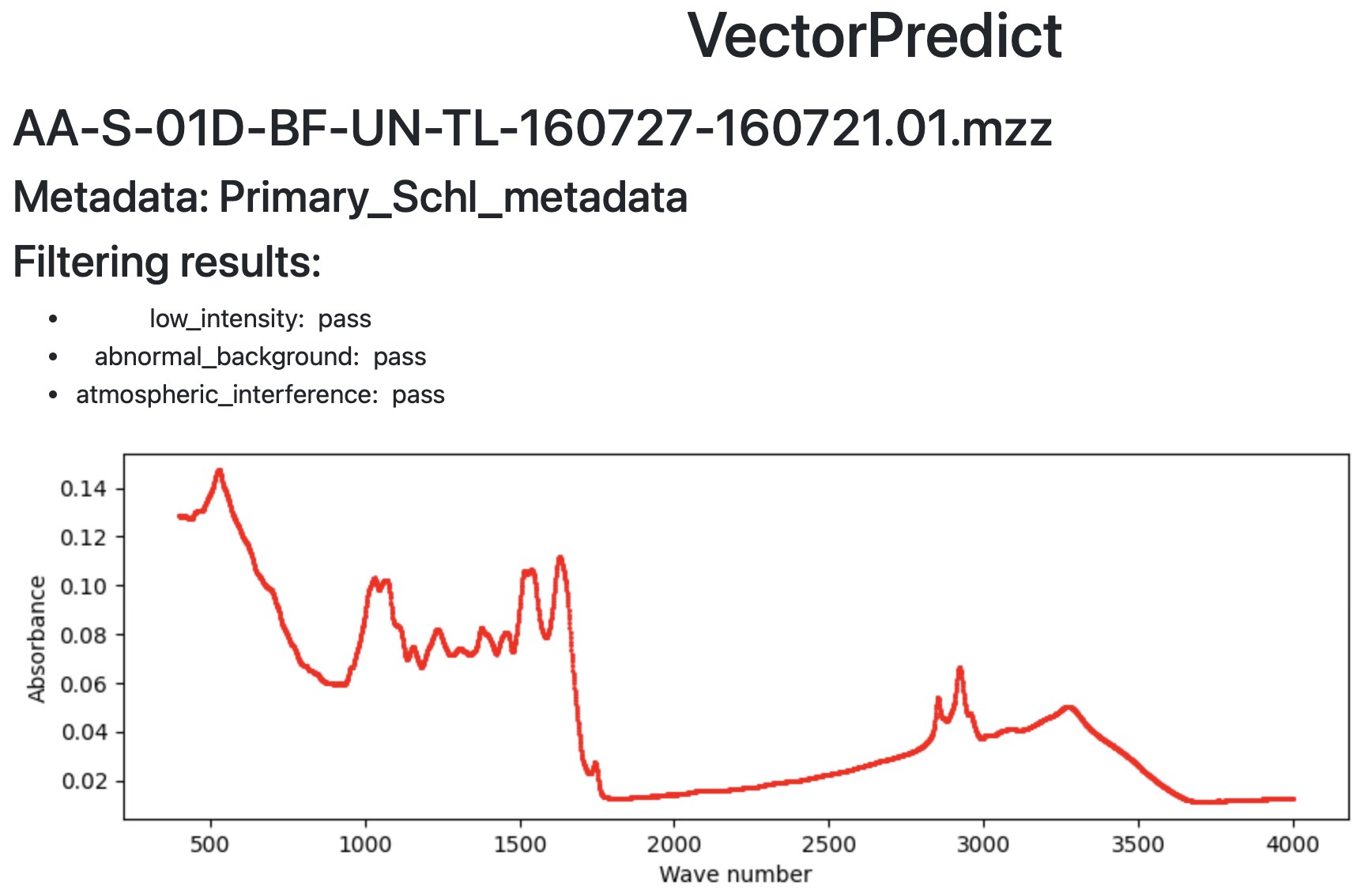
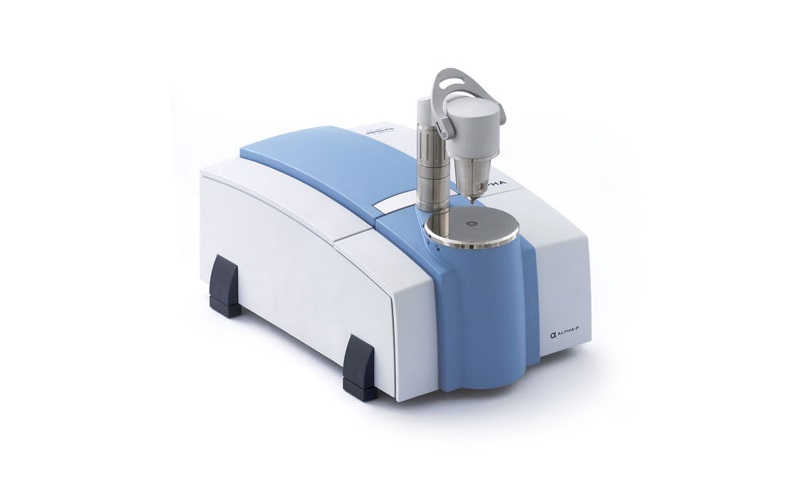
- Development an online platform for real-time analysis of spectral data for malaria mosquito surveillance: develop a user-friendly web application to obtain a real-time analysis of mosquito infrared spectra through machine learning; this platform will also allow users to contribute data for Further optimization of the machine learning algorithms.
- Optimization of Control Strategies: This entails creating models that take various tactics into account, such as the use of bed nets coated with pesticide, indoor residual spraying, and larval source reduction. Researchers can determine the most efficient mix of interventions to limit disease transmission while taking resource constraints into consideration by using real-world data and parameters.
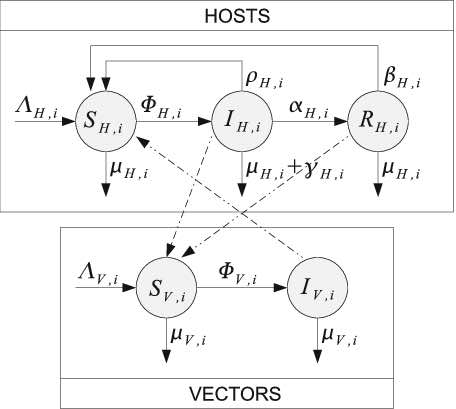
- Transmission Dynamics Modeling: To mimic how vector-borne diseases propagate through a population, mathematical models must be developed. These models aid in the study of how illness spreads and how various elements such as vector behavior, host immunity, and environmental factors affect it. Models of transmission dynamics can shed light on disease outbreaks, forecast the success of preventative measures, and aid in the formulation of disease management policies.
- Data Collection and Integration: This involves collecting data on vector species distribution, breeding sites, environmental factors, and disease incidence. Integration of diverse data types, such as geographic information systems (GIS) data, remote sensing imagery, and field observations, helps create a comprehensive picture of the complex interactions between vectors, hosts, and the environment.
Active Projects
- AI-MIRS: An online Platform for Malaria Vector Surveillance in Africa using Artificial Intelligence, a collaborative grant with the Ifakara Health Institute and the University of Glasgow.
- Malaria modeling capacity-building rfp: African Consortium in Modelling for Effective Vector Control (ACoMVeC), a collaborative grant with Centre for Research in Infectious Diseases (CRID).
- Can Gene drive be safely implemented in Africa Awarding body: Wellcome trust_ Collaborative Award in Science. Grant holder : Diabate Abdoulaye (PI). Start date: January 2022. End date: December 2026; Role: lab and field coordinator_ Burkina field site.