Molecular Biology
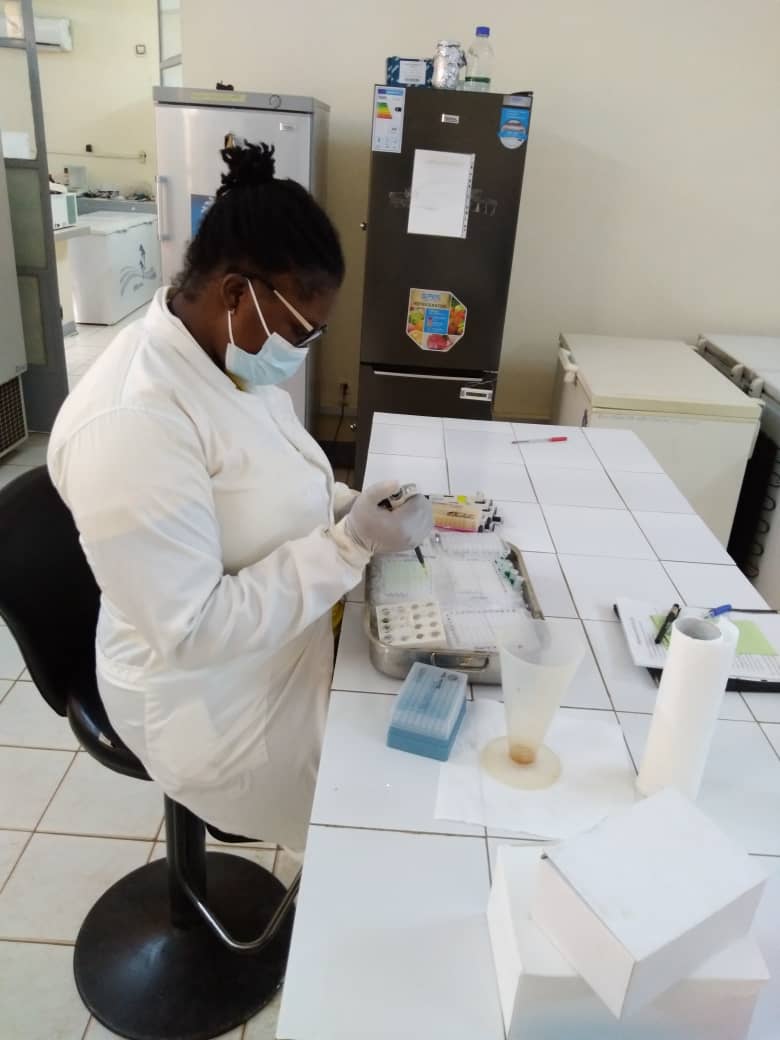
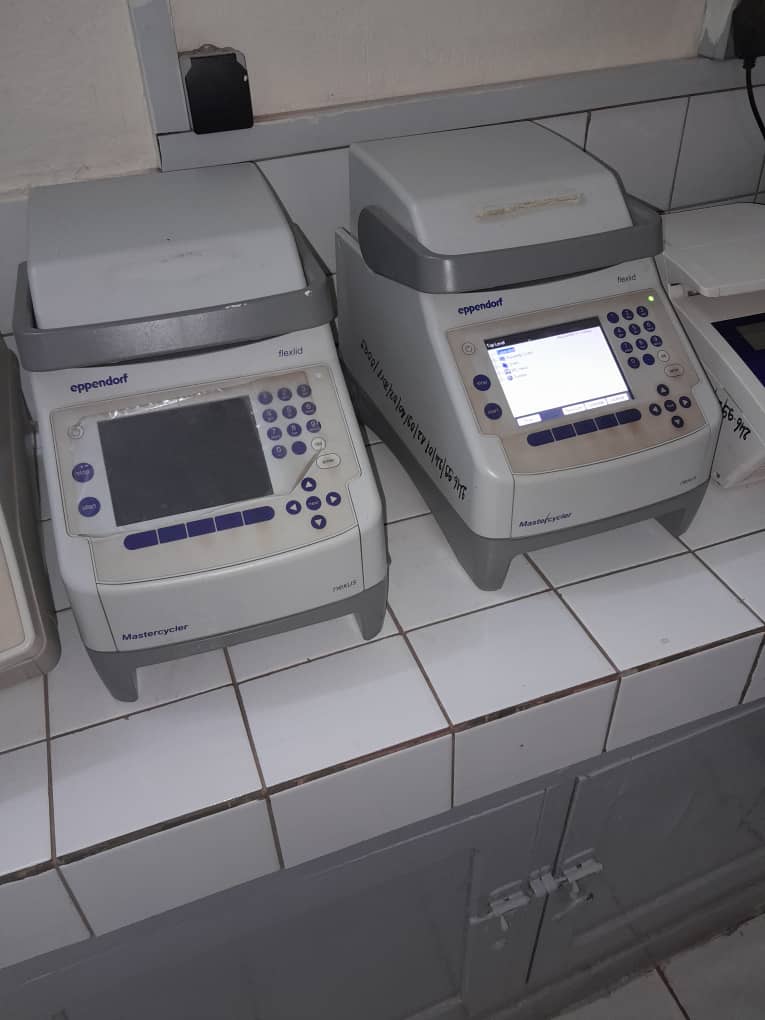
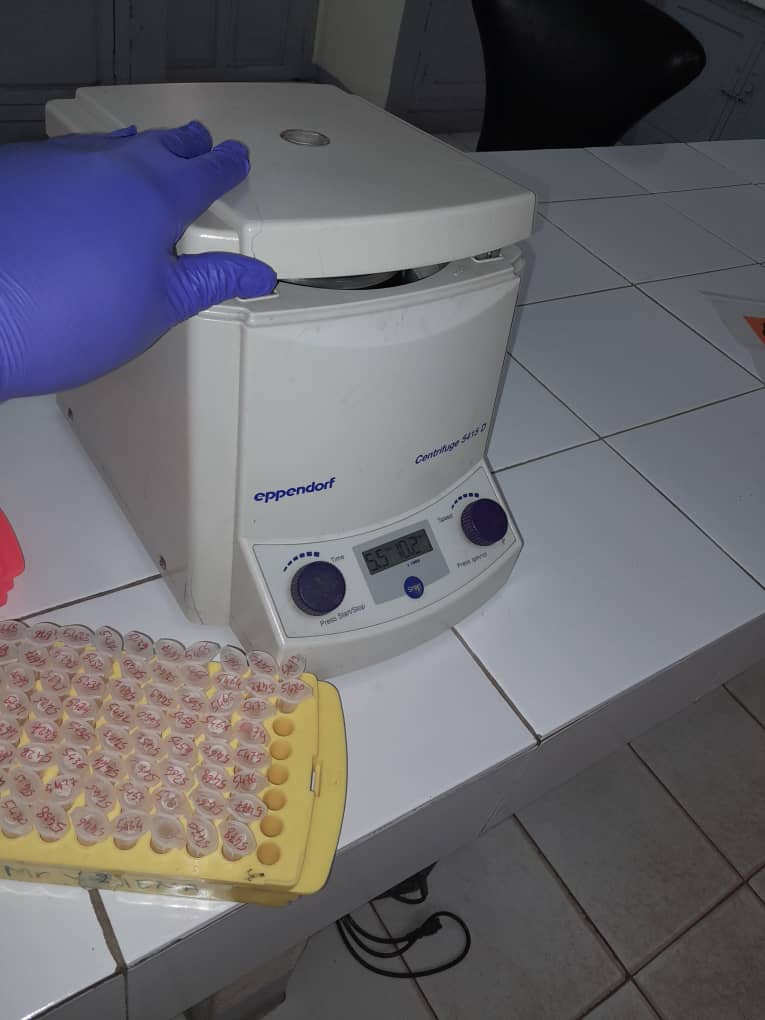
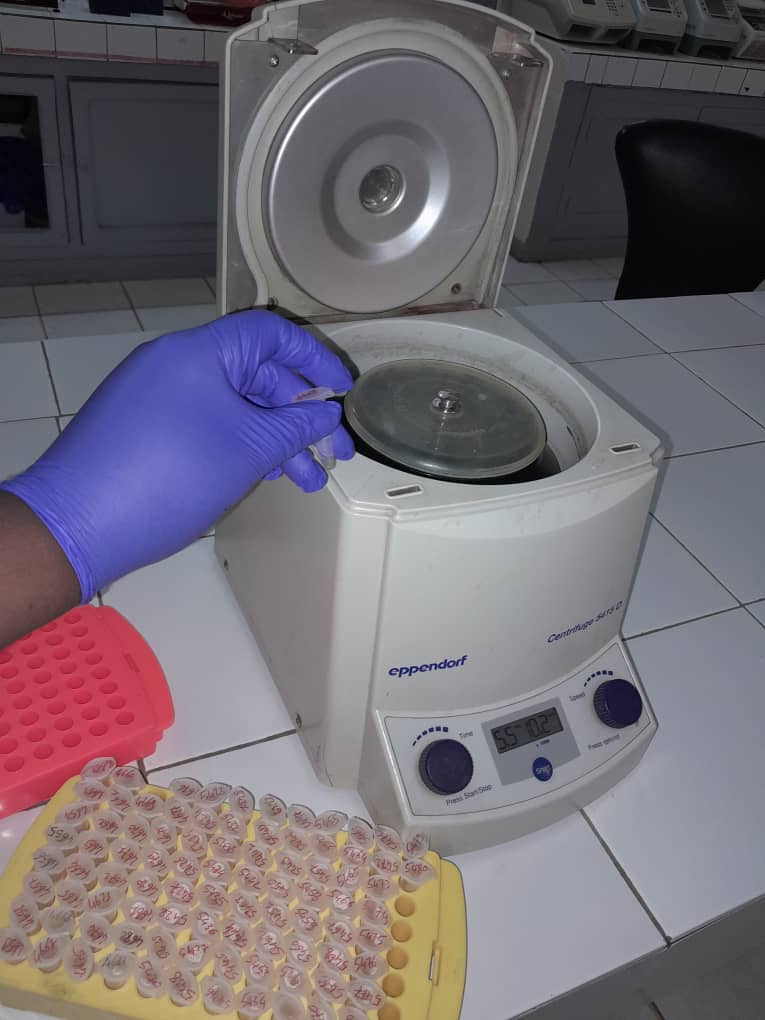
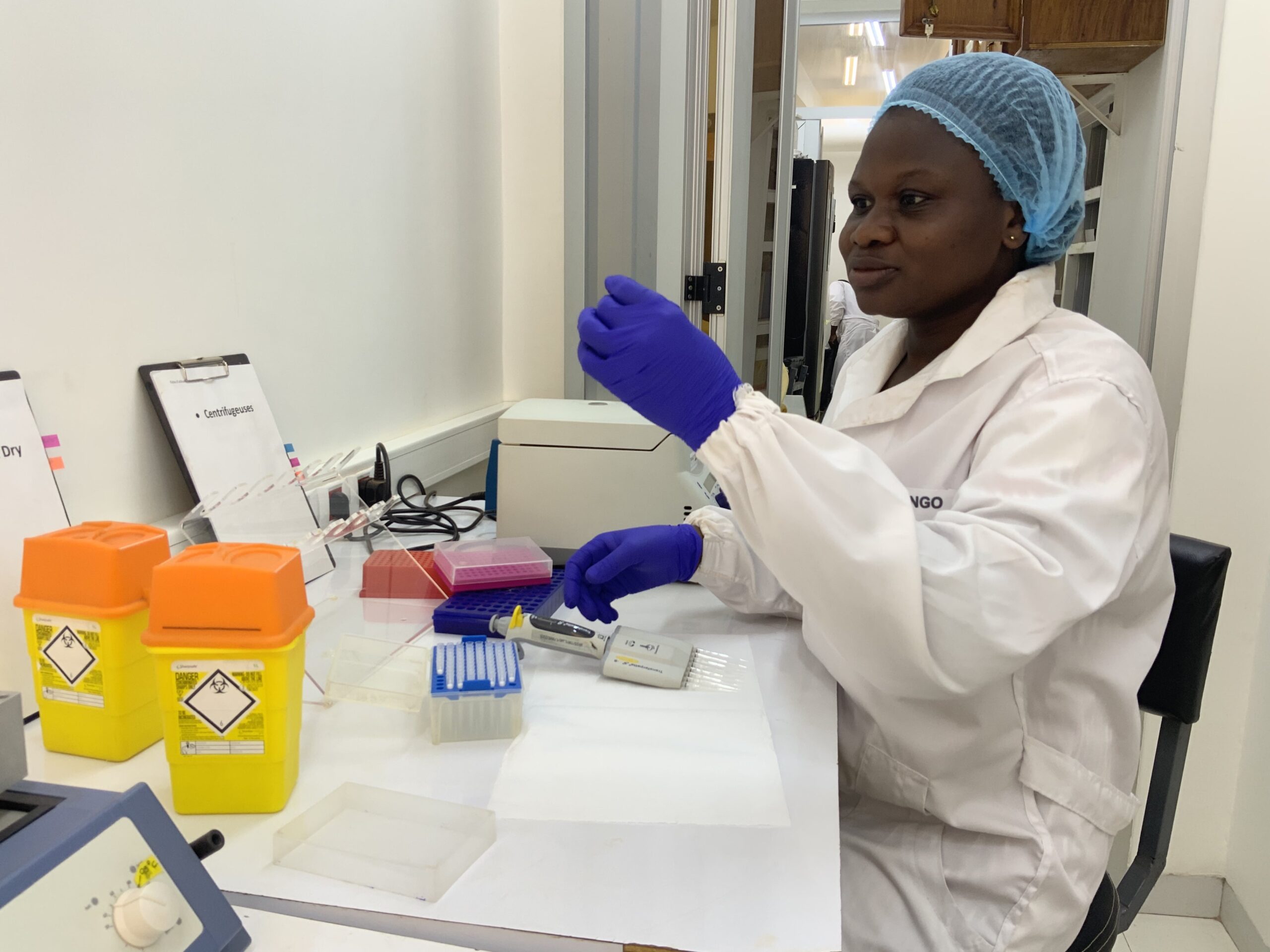
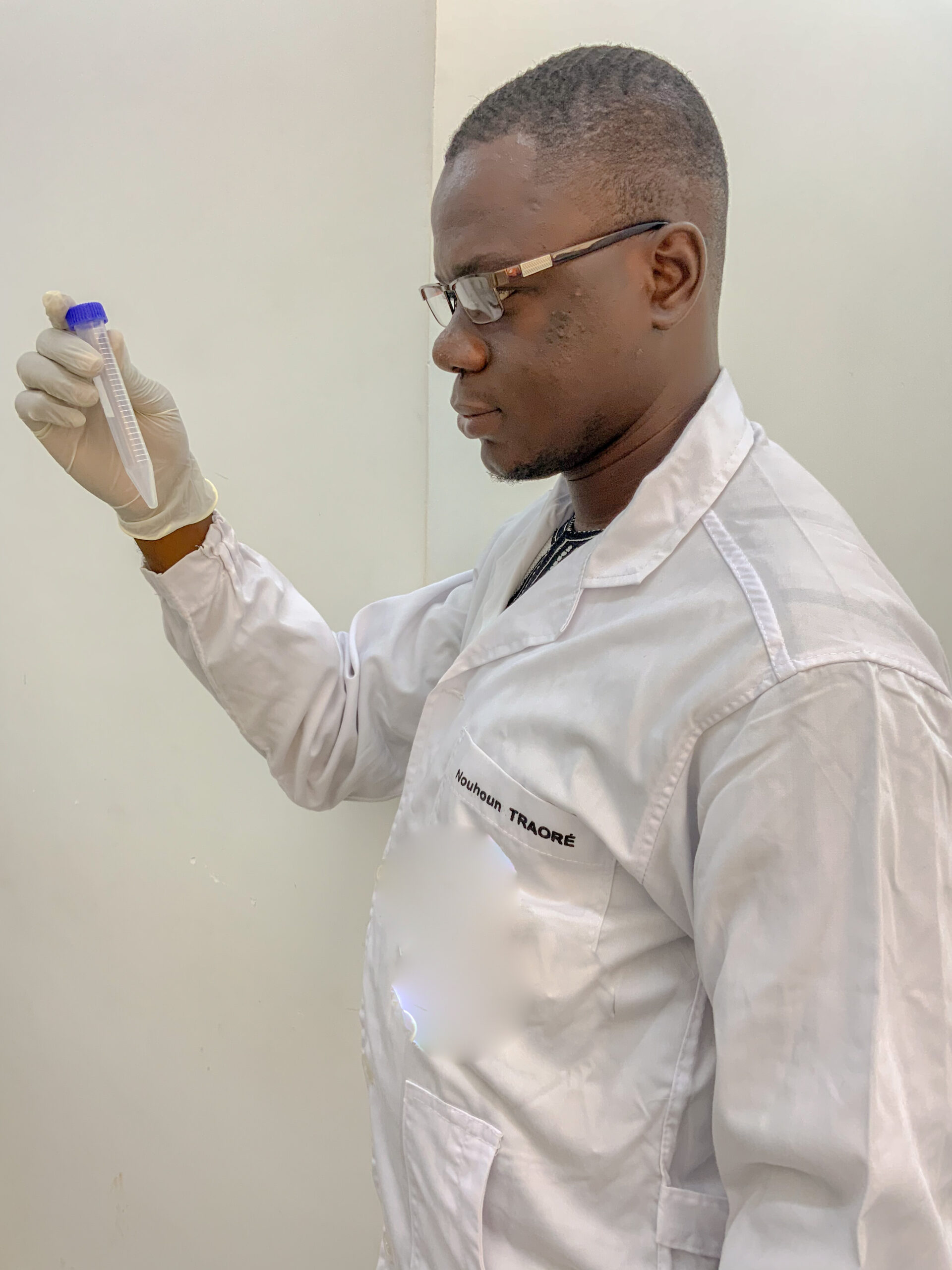
In our lab, biology Molecular tools such as PCR and its variant qPCR are used to identify mosquitoes’ species and to study mosquitoes’ resistance to the insecticides. Also, we use these tools to study mosquitoes’ infection to the Plasmodium, bacteria and viruses. For example, its has become routine experimental practice to comprehensively extract some information using DNA, RNA, or Proteins supports. Underlying almost all modern approaches to biology, Genetics is both a fundamental method of inquiry and a discipline in its own right. Recently we are introduced in our lab an innovative and new tool of malaria vectors control using genetics approach (gene drive). In this genetic control strategy, Anopheles mosquitoes are genetically engineered so that their offspring cannot transmit the malaria parasites to humans.
The idea is that when engineered male mosquitoes are introduced into wild mosquito populations and mate with females, the trait (anti-parasite effector genes) will be replicated by the gene drive and will reduce the females’ ability to transmit malaria parasites to humans. The commonality of approaches to varied problems provides many opportunities for cross-discipline interaction. Meanwhile, the exponential explosion of complete genomic sequences coupled with the rapidly falling cost of sequencing has opened up new opportunities and challenges for molecular biologists and geneticists. With the explosion of data, our department has also associated bioinformatics analysis. It is a new concept for our institute which allow us to extract a lot of data providing from Biology Molecular and genetics labs activities. Now, we can do our own analysis using bioinformatics tools.
Experimental infection
In the context of malaria elimination and eradication, it is important to evaluate the vectorial competence of the major malaria vector through experimental infections. The experimental infections assays are performed in our laboratory under intensely controlled conditions. . Experimental infection consists of taking blood from patients with gametocytes. This blood is given to the mosquitoes through the standard membrane-feeding assay. After 7 days’ post-infection, midguts will be dissected to evaluate the plasmodial infection burden by counting the number of oocysts and after 14 days post-infection, we evaluate the plasmodial infection burden by detecting the sporozoites. .